Sort by suit
Do not draw until the 13 cards are grouped. A discarded diamond you needed was usually sitting in the wrong pile in your hand.
First table
A first table is a sort, a pure sequence, a drop decision and a counted show. Anything else is conversation. Rushing the show to look busy is the expensive error. The cost-benefit is simple: one extra draw is usually cheaper than an invalid declare.
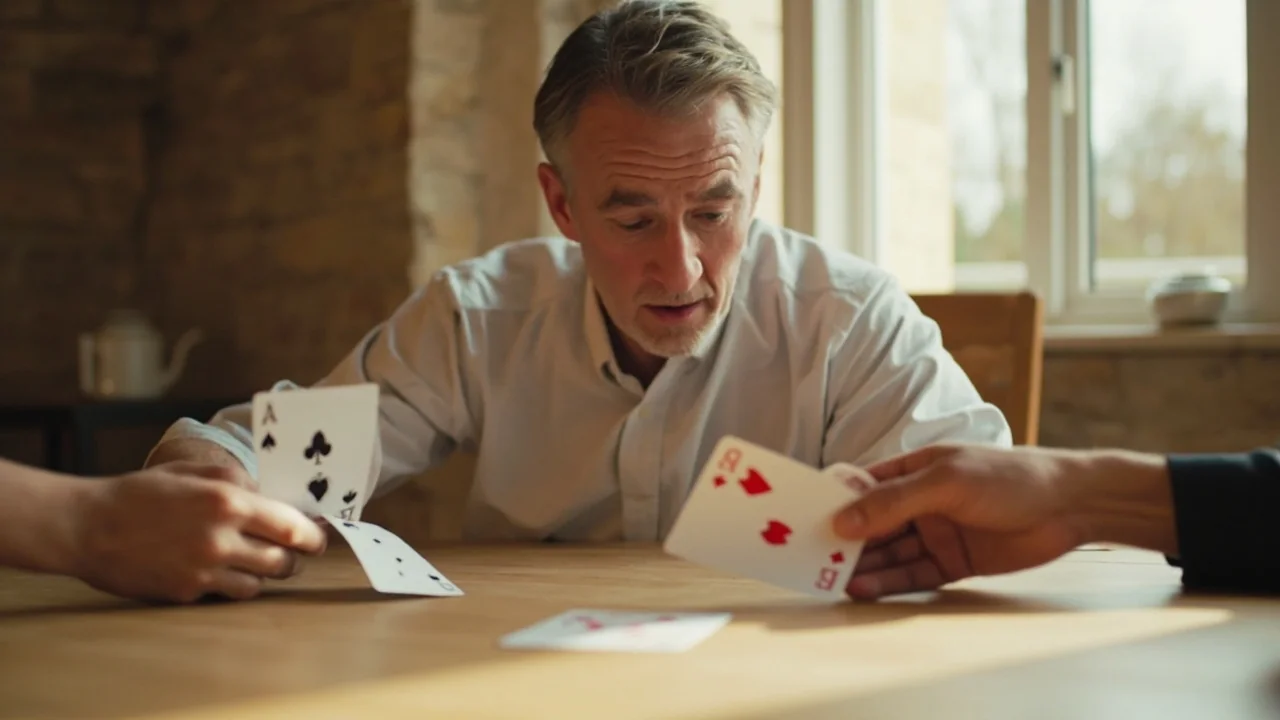
Indian printed rummy deals 13 cards. A valid show needs at least one pure sequence: a same-suit run that does not use a joker. Sets of three or four of a rank, and a second sequence that may use a joker, complete the hand in the common schoolbook. If the table in front of you disagrees, the table wins. The desk will not pretend Betcasino printed a different law.
Unknown house slots, listed so they stay unknown: whether printed jokers are the only wilds, whether a pair can close a show, whether a first drop is 20 or another figure, whether an invalid show is a full 80. Look for those four answers on the rule strip. If they are missing, sit a practice hand with no stake or leave.
Do not draw until the 13 cards are grouped. A discarded diamond you needed was usually sitting in the wrong pile in your hand.
Two connected cards in a suit are a seed. A joker does not plant that seed. It only extends a later meld.
Take the open card only if it completes the pure sequence or a set you already hold. Curiosity discards are how opponents read you.
Add leftover points out loud or on paper. If the total is ugly and a sequence is still missing, drop instead.
Players decorate with sets because sets are easy to see. The show still fails without the pure run. In a first sitting, spend the first three turns on that run even if a tempting set is one card away.
Example, labelled illustrative: you hold 5-6 of hearts and a 5 of spades. The 7 of hearts on the discard is the correct take. The 5 of diamonds is a set tease. Taking the diamond before the heart run exists is how first tables balloon.
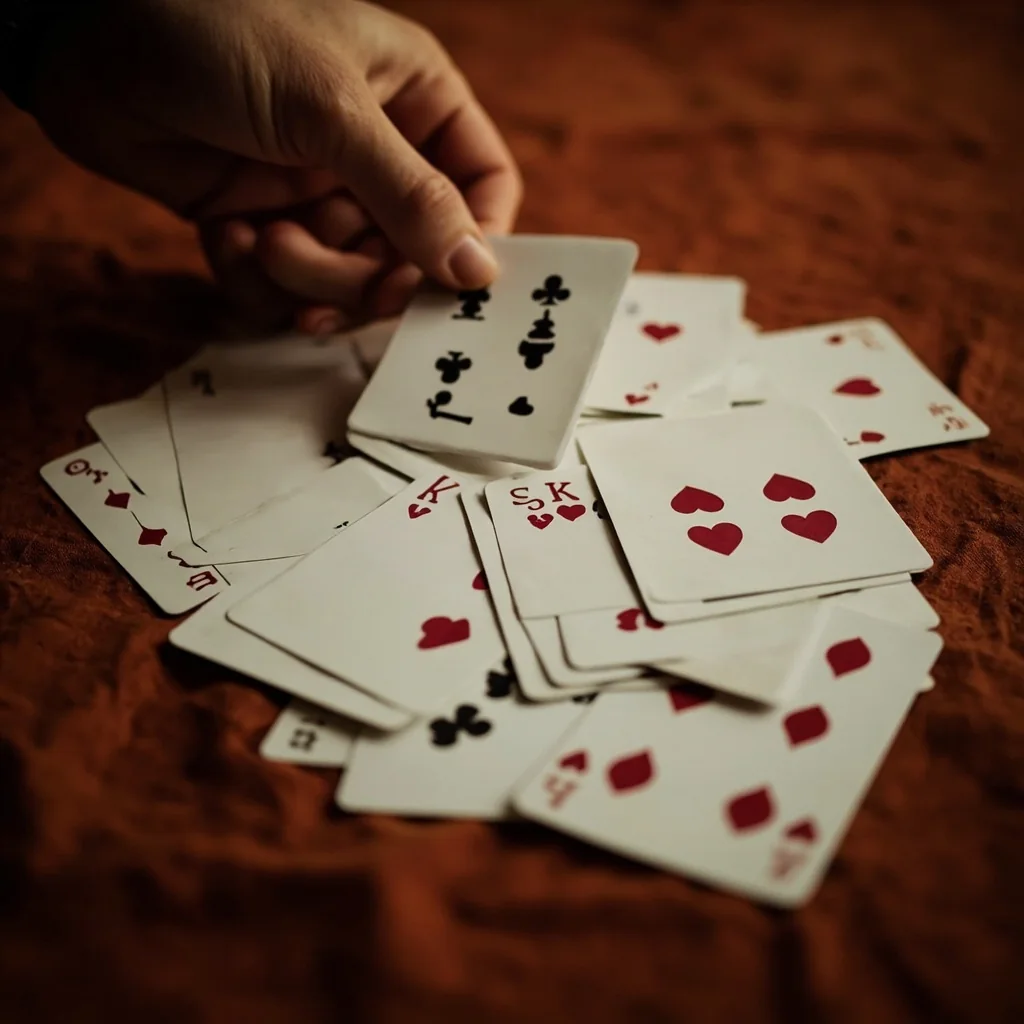
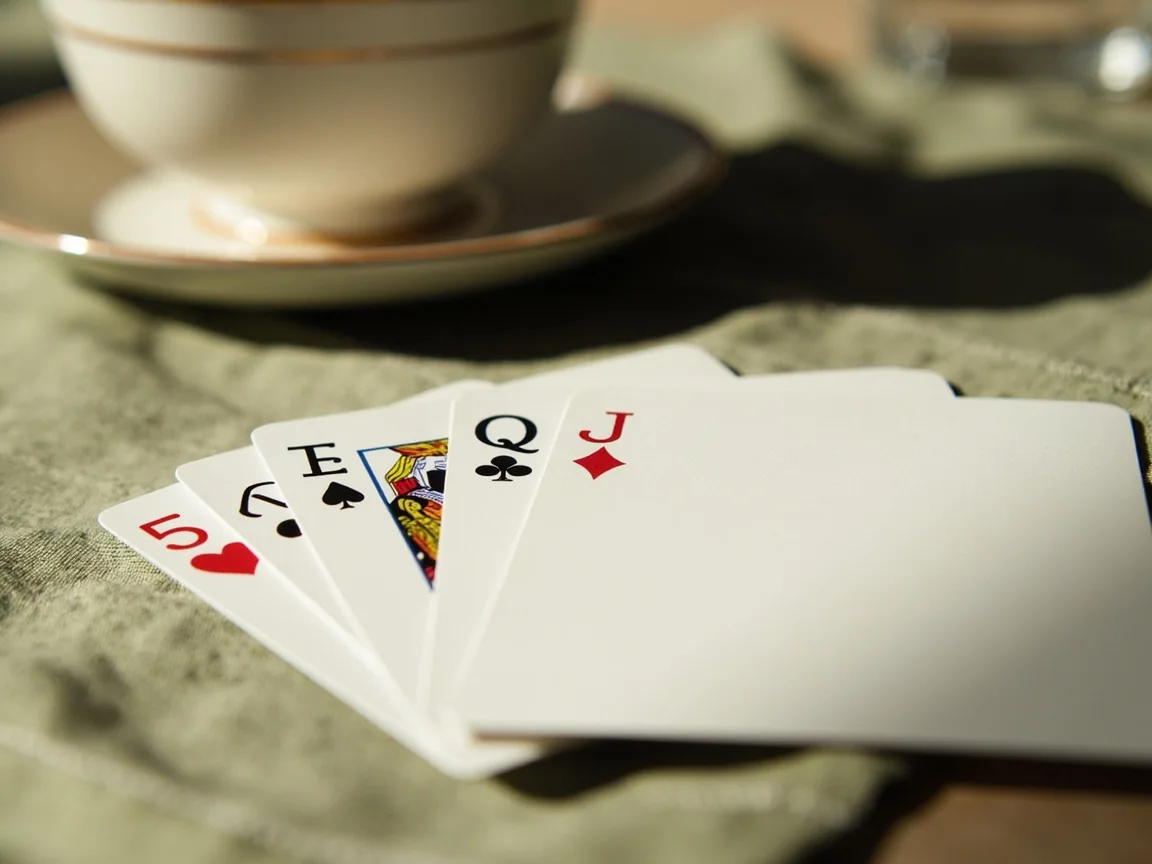
Every unmatched face card is often ten points in the printed tradition. Keeping two kings because they look like a future set is a common first-table leak. If a king has no partner after two draws, treat it as a discard candidate unless it is the last brick in a sequence.
A show is not a flourish. Lay the pure sequence first, then the remaining melds, then the leftover. If a leftover can join a meld with one legal move, make that move before you tap declare. Software that auto-sorts on declare can hide a broken sequence. Watch the confirmation screen.
Cost-benefit of rushing: one more turn risks giving an opponent the card they want. An invalid show risks a printed penalty that can exceed several turns of leftover points. On a first table, take the turn.
Write these four answers on paper from the rule strip. If a slot stays blank, the sitting is a demo, not a stake.
Those four answers are also the fastest way to compare two clients later. A prettier animation does not replace them. The review ledger uses the same four tests under table clarity.
If the product offers a practice sitting with fake chips, use it for one points hand. Then stop. Practice chips that convert into a bonus lock are not practice. They are a delayed stake. The desk has not seen Betcasino's practice mode, so treat any conversion language as a reason to leave.
Holding every face card because they are worth ten if they stay unmatched is backwards. They are worth ten if they stay unmatched. Throw the orphan king.
Taking every discard that matches a rank you hold is how you tell the table what you are building. Take the card that completes the pure sequence. Let the rest pass unless the leftover math is already safe.
Declaring the instant the software highlights a possible show is how auto-sort hides a broken run. Read the confirmation. If the pure sequence is not visible as a group, cancel.
Printed Indian rummy usually wants at least two sequences, one of them pure. Confirm the slip.
No in the schoolbook. That is what makes it pure.
When the pure sequence has no seed after the first look. Typical printed cost is lower than a middle drop.
Yes. One hand, then stand up. Pool hides the lesson inside a long count.
Unpublished. This sequence is the desk's order, not a screenshot of their tutorial.
Read skill limits so you do not turn a mechanic into a superstition.
Next step
PLAY NOW is available. Strategy is the next editorial stop if you still think memory wins every sitting.

18+. House rules unpublished. Typical printed conventions only.
Sets are easy to see and easy to chase. The show still dies without a pure sequence. Spend the first three turns asking whether a same-suit seed exists. If it does not, the drop conversation starts earlier than pride wants.
Number cards are face value in the common printed tradition. Face cards and aces are often ten. Jokers are zero inside a valid meld and trouble outside one. Add out loud. If the total already exceeds a typical first drop, you are not being brave by staying. You are buying a lottery ticket with leftover kings.
Some clients rearrange a hand when you tap declare. That rearrangement can hide a broken run. Cancel if you cannot point to the pure sequence as a group. A highlight colour is not a ruling.
One points hand. A written stop. No second sitting to make it back. The next editorial task is skill limits, not a longer pool. If the product pushes a 201 tile after your first show, that push is marketing.
Hand size, deck count, joker rule, first drop, middle drop, invalid show, discard visibility. Seven lines. If four of them are blank, you are not sitting a known game. You are sitting a poster.
Take the open card only when it completes the pure sequence or a set you already hold. Curiosity takes are how a first table becomes readable. If you needed information, look at the pile. You do not need to own the card to learn from it.
If practice credit converts into a lock, it was never practice. The desk has not seen Betcasino's practice mode. Treat conversion language as a reason to leave the sitting.